From Kitty Hawk to the Jet Age: How 12 Seconds Changed the World
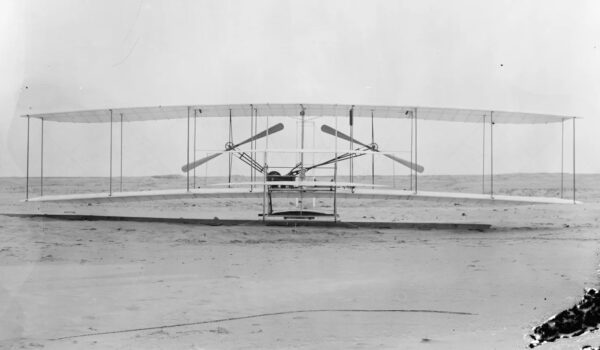
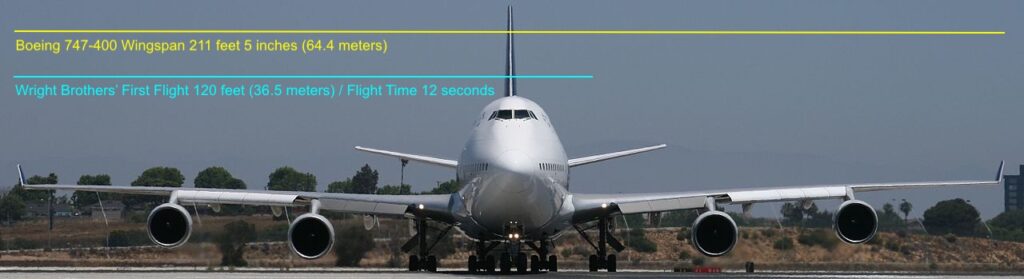
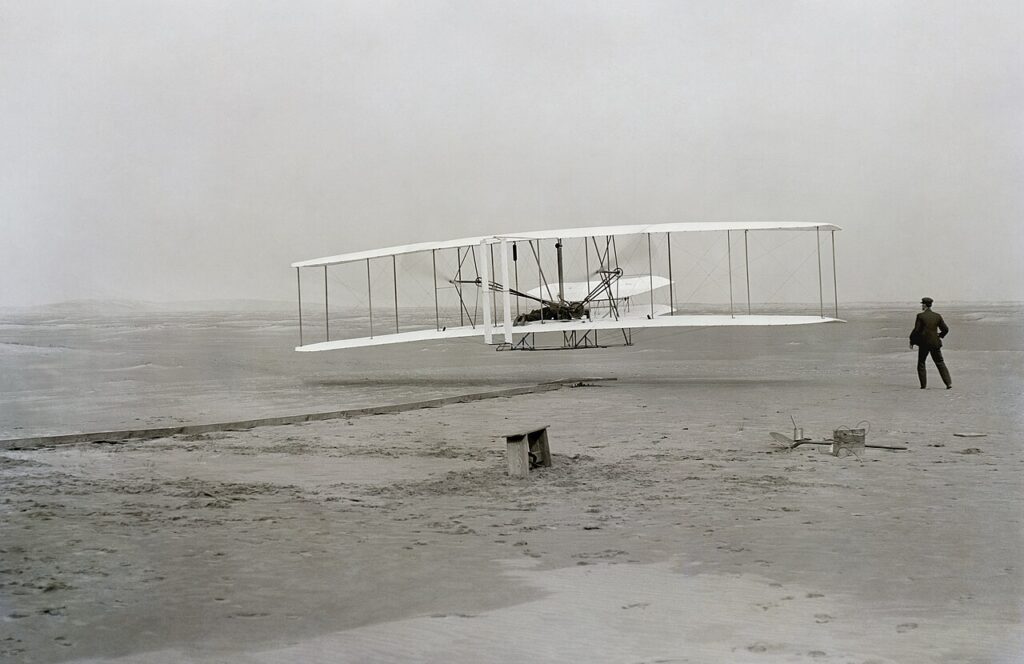
The Wright Brothers’ very first powered, controlled flight on December 17, 1903, at Kitty Hawk, North Carolina, lasted a whopping 12 seconds and covered just 120 feet (36.5 meters). That’s right—Orville Wright’s historic hop was shorter than the wingspan of a modern Boeing 747!
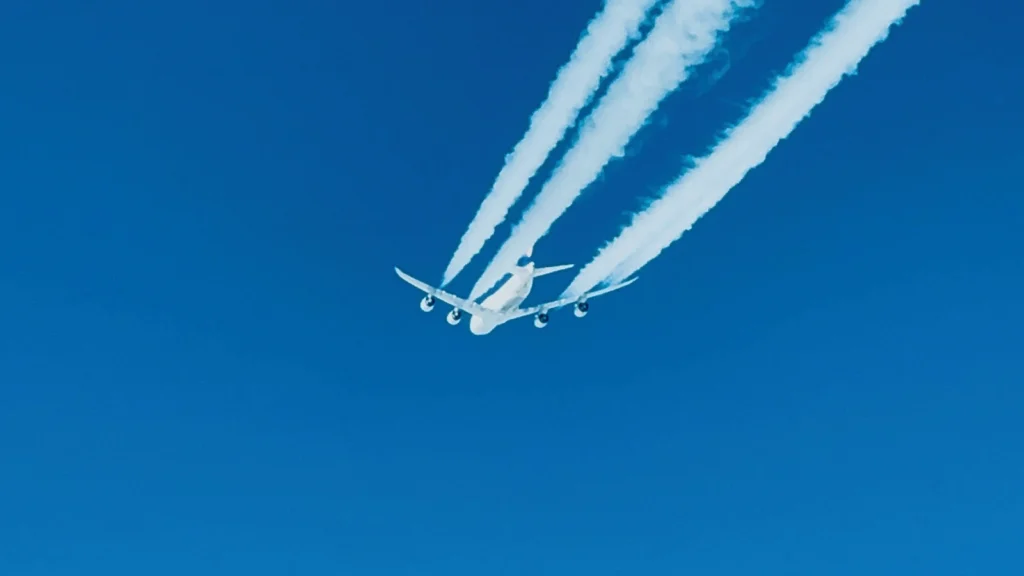
Picture this: the entire groundbreaking moment—humanity’s first real taste of powered flight—fits snugly inside the massive wingspan of today’s Queen of the Skies. The B747-400 boast a wingspan of 211 feet 5 inches (roughly 64.4 meters), meaning that first flight distance wouldn’t even stretch from one wingtip to the other on a jumbo jet!
It’s truly mind-boggling to think about, isn’t it? That humble, fleeting moment on a windswept beach laid the groundwork for an industry that has fundamentally reshaped our world. From those delicate spruce and muslin wings, we’ve soared to an era where planes routinely carry hundreds of passengers – thousands of miles across oceans and continents.
A Leap of Faith and Engineering
The Wright Brothers Flyer, a marvel of turn-of-the-century ingenuity, represented an astonishing leap in human ambition and engineering. It wasn’t just about putting an engine on a glider; it was about understanding aerodynamics, control surfaces, and stability in a way no one had before. Their meticulous research, countless glider experiments, and dedication to solving the problem of controlled flight set them apart. The sheer bravery required to lie prone on that rickety contraption, facing into the wind, cannot be overstated. They were truly pioneers in every sense of the word.
The Age of Giants: Enter the Boeing 747
Fast forward just over six decades, and the world witnessed the debut of another icon: the Boeing 747. Introduced in 1969, the “Queen of the Skies” was an aircraft of unprecedented scale and capability. Imagine explaining to Orville and Wilbur that future airplanes would carry up to 660 passengers, weigh over 400 tons, and fly at nearly the speed of sound!
The 747 didn’t just carry more people; it democratized air travel, making international journeys accessible to the masses and shrinking the globe in ways unimaginable in 1903. Its distinctive hump, wide body, and four powerful jet engines became a symbol of modern aviation, luxury, and global connectivity.
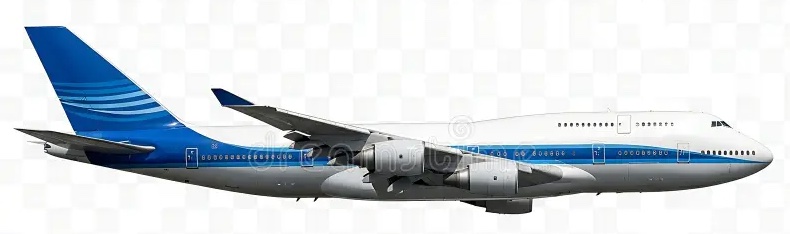
Who would’ve thought two bicycle-building brothers from Dayton, Ohio, would kick off an era where we now zip around the globe like it’s no big deal?
The Scale of Progress
That tiny biplane, the Wright Flyer, had a wingspan of only about 40 feet, powered by a homemade 12-horsepower engine, and skimmed just 10 feet off the sandy dunes at its peak. Yet by day’s end, the brothers nailed four flights—the longest (Wilbur’s final one) soaring 852 feet in 59 seconds. From that humble 120-foot sprint to crossing oceans at 500+ mph, carrying hundreds of passengers… aviation’s progress is absolutely wild!
To truly appreciate the journey, let’s put it into perspective:
- Distance: The Wright Flyer’s inaugural flight could have taken place entirely within the cabin of a Boeing 747-8, which boasts an internal length of approximately 250 feet (76 meters).
- Speed: Orville’s speed was around 6.8 mph (10.9 km/h). A 747 cruises at over 560 mph (900 km/h).
- Complexity: The Wright Flyer had a single 12-horsepower engine. A modern 747’s engines each generate over 60,000 pounds of thrust, with its systems managed by advanced computers that would make the Wright brothers’ heads spin.
The progression from 12 seconds in the air to sustained hypersonic flight, from simple controls to sophisticated fly-by-wire systems, is a testament to human innovation and an insatiable desire to reach for the skies. The next time you see a commercial airliner soar overhead, take a moment to reflect on that brief, historic flight at Kitty Hawk – the tiny spark that ignited the age of aviation.
So tell us—what’s your favorite milestone in flight history? The first jet engine roar? Chuck Yeager breaking the sound barrier? The Concorde’s supersonic dashes? Or maybe the moon landing’s aviation roots? Join the conversation on your favorite platform ✈️🔥
Safe skies ahead — and may your landings always equal your takeoffs!
—The US Aviation Agency Team