
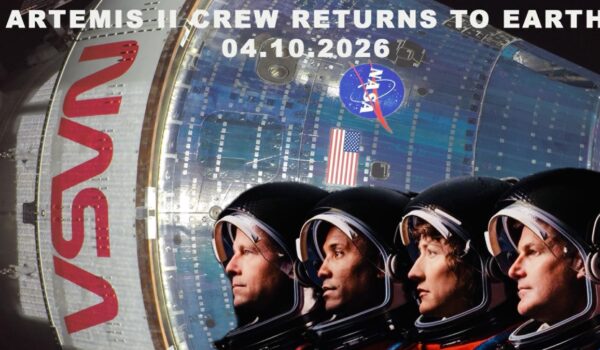
🌊 Splashdown Confirmed: Artemis II Returns from Deep Space
Artemis II has successfully completed its historic journey.
At 8:07:27 PM EDT on April 10, 2026, the Orion spacecraft splashed down in the Pacific Ocean—bringing astronauts home after traveling beyond low Earth orbit for the first time in over 50 years.
The total mission duration from launch to splashdown:
👉 9 days, 1 hour, 32 minutes, and 15 seconds
The Artemis II Mission is complete. Orion spacecraft callsign Integrity has safely returned to Earth!!
🎥 Watch the Key Highlights of Artemis II Reentry & Splashdown
👉 Watch our condensed (30 Min) Artemis II Splashdown: Orion “Integrity” Re-Entry & Pacific Ocean Landing
🎥 Watch NASA’s Artemis II Mission Liftoff & Splashdown Recap
👉 Watch NASA’s Artemis II Mission Orion spacecraft Integrity Recap | Credit: NASA
🌕 What Is Happening During the Artemis II Return?
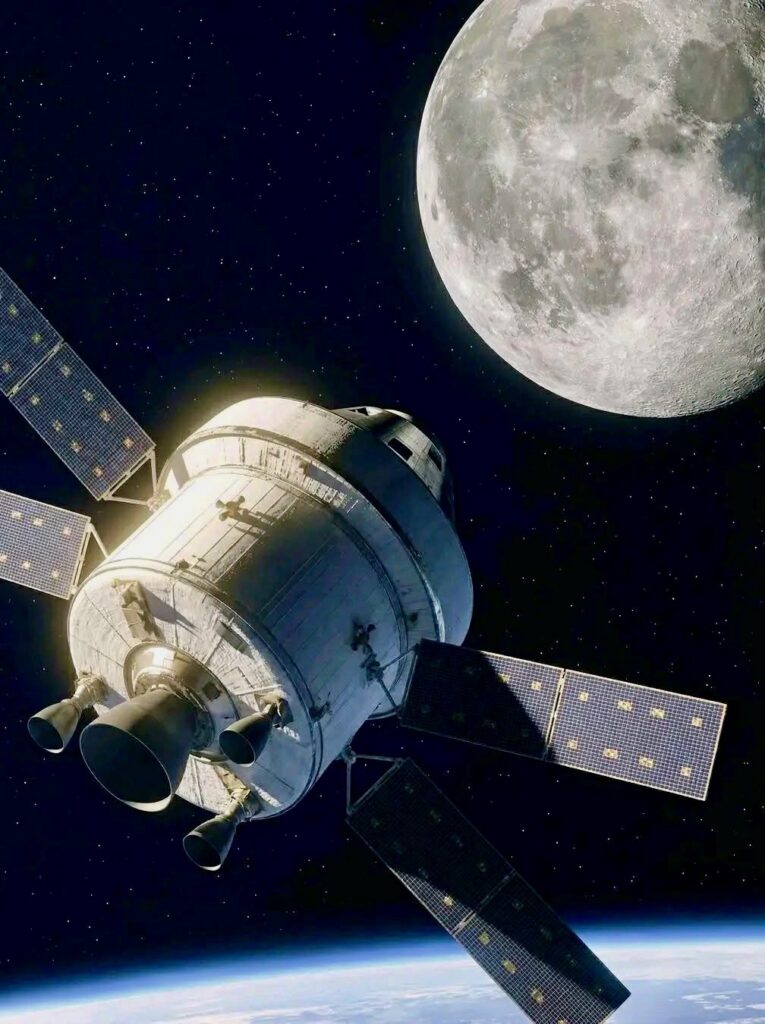
After traveling roughly 685,000 miles and completing a historic lunar flyby, the Orion spacecraft Integrity begins its journey home.
But returning from deep space is no simple task.
This phase of the mission includes:
- 🌌 High-speed reentry into Earth’s atmosphere
- 🔥 Temperatures reaching nearly 5,000°F
- 🧭 Precision navigation across thousands of miles
- 🌊 Final splashdown in the Pacific Ocean
This is where engineering, training and precision all come together.

🛰️ Orion Integrity: Why the Return Is So Important
The Artemis II return isn’t just the end of a mission—it’s one of the most important tests for future Moon and Mars missions.
NASA is evaluating:
- 🛡️ Heat shield performance under extreme conditions
- 🧪 Structural integrity after deep-space travel
- 🧑🚀 Crew safety systems during reentry
- 📡 Communication reliability during plasma blackout
👉 This data will directly impact Artemis III and future lunar landings
🔥 Reentry: One of the Most Intense Moments in Spaceflight
As Orion reenters Earth’s atmosphere, it will be traveling at:
👉 25,000 miles per hour
At these speeds:
- Air compresses and superheats around the capsule
- A plasma field forms, temporarily disrupting communications
- The spacecraft must maintain precise angles to avoid skipping off the atmosphere or burning up
This phase is often called:
👉 “The most dangerous part of the mission”
🌊 Splashdown: The Final Step
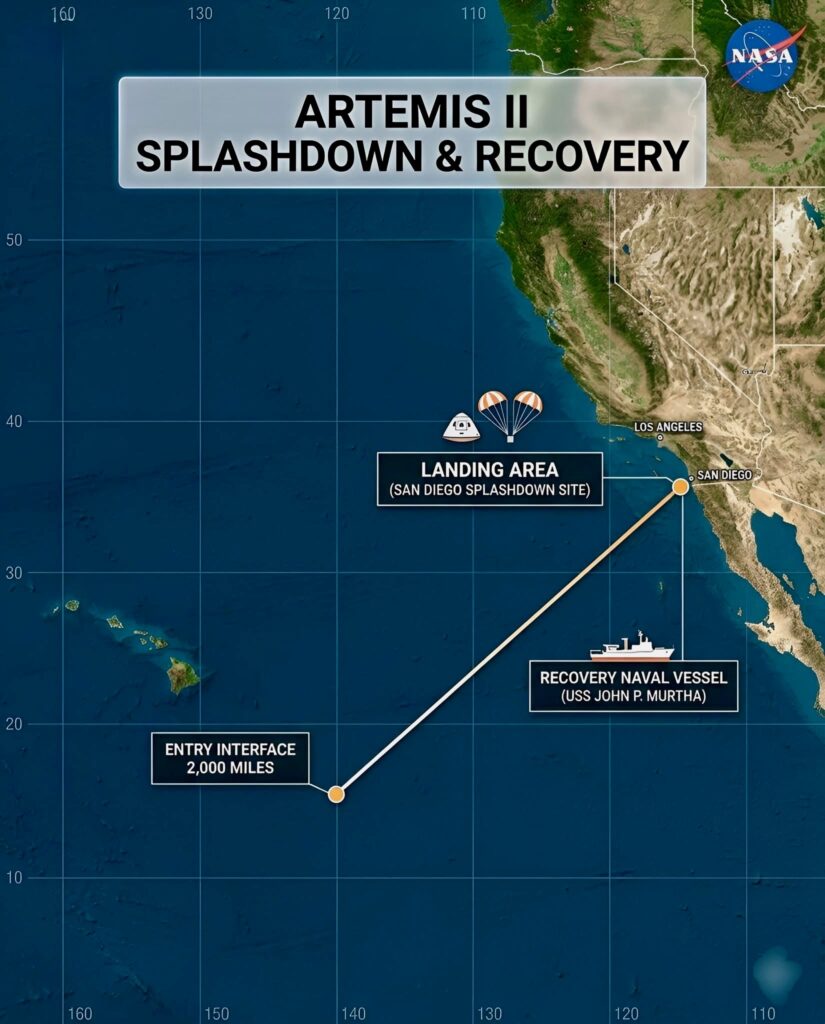
After surviving reentry, Orion deploys its parachutes and descends into the Pacific Ocean.
Parachute Deployment – As Orion slows down:
- 🪂 Drogue parachutes deploy first
- 🎯 Main parachutes follow to stabilize descent
These massive parachutes slow the capsule dramatically for a safe landing.
Splashdown in the Pacific Ocean – Orion gently lands in the ocean after its journey from deep space:
- 🌊 Controlled impact with water
- 📍 Pre-designated recovery zone
- 🚁 Recovery teams already in position
👉 Mission success now depends on recovery operations.
Navy Divers Secure the Capsule – Within minutes:
- 🤿 U.S. Navy divers enter the water
- 🔗 Stabilization lines are attached
- 🧭 Capsule orientation is confirmed
This ensures Orion is safe and ready for recovery.
This marks the successful completion of Artemis II—and a major step
🌊 How NASA Recovers Orion at Sea (Inside the Recovery Ship)
One of the most fascinating—and least known—parts of the Artemis II mission happens after splashdown.
Once the Orion capsule lands in the Pacific Ocean, a highly coordinated recovery operation begins, led by the U.S. Navy.
For Artemis II, the primary recovery ship is the
👉 USS John P. Murtha (LPD-26)
🚢 Not Your Typical Recovery — The Ship Floods Itself
Unlike the Apollo missions (where capsules were lifted by crane), Orion uses a modern amphibious recovery system.
Here’s how it works:
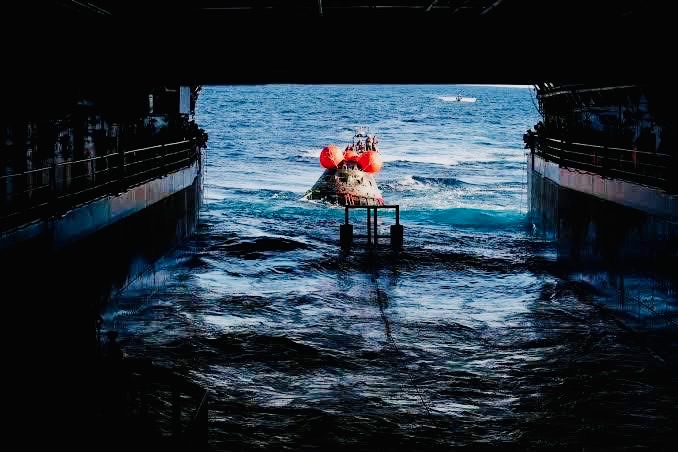
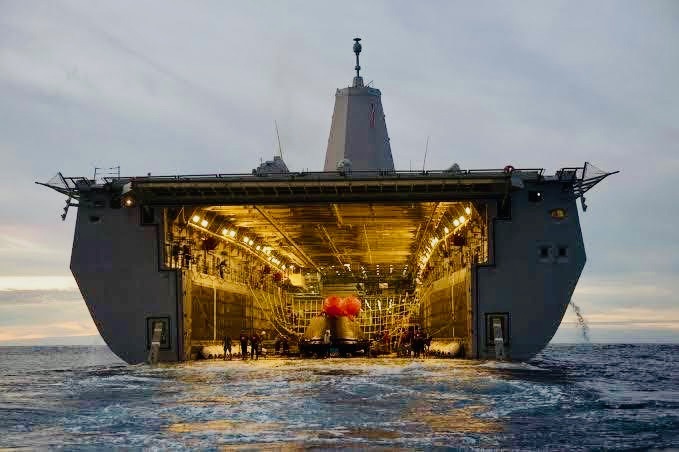
- 🌊 The ship has a well deck—a large open bay at the rear
- 🚪 The back of the ship opens directly to the ocean
- 💧 The crew intentionally floods this section of the ship
- 🚀 Orion is guided and towed directly inside
👉 It’s essentially a floating dock inside the ship
Once the capsule is inside:
- The water is pumped back out
- Orion is left sitting safely on a recovery stand inside the vessel
🧭 How Orion Gets Inside the Ship
After splashdown:
- 🛟 Navy divers secure the capsule in the water
- 🧵 Lines and cables are attached to Orion
- ⚙️ A main winch system slowly pulls the spacecraft toward the ship
- 🎯 Recovery teams guide it precisely into position
Once aligned:
👉 The capsule is carefully pulled into the flooded well deck and secured for transport
🚁 What Happens to the Crew?
While the capsule is being recovered:
- 👨🚀 Astronauts exit Orion with assistance from divers
- 🚁 They are flown by helicopter to the ship
- 🏥 Immediate medical evaluations begin onboard
The USS John P. Murtha is equipped with:
- Medical facilities
- Helicopter landing deck
- Advanced communications systems
—all critical for a safe recovery operation
⚓ Why This Recovery System Matters
This method isn’t just efficient—it’s designed for the future of spaceflight:
- ✅ Faster and safer crew recovery
- ✅ Better protection of the spacecraft
- ✅ More controlled post-mission analysis
- ✅ Scalable for future Moon and Mars missions
👉 It’s a major evolution from Apollo-era recovery techniques
🚀 Fun Aviation Fact
The same type of ship used to recover Orion is designed for military amphibious operations—meaning it can:
- Launch landing craft
- Carry helicopters
- Deploy troops and vehicles
Now, it’s also helping recover spacecraft returning from the Moon.
👨🚀 A Historic Return to Deep Space
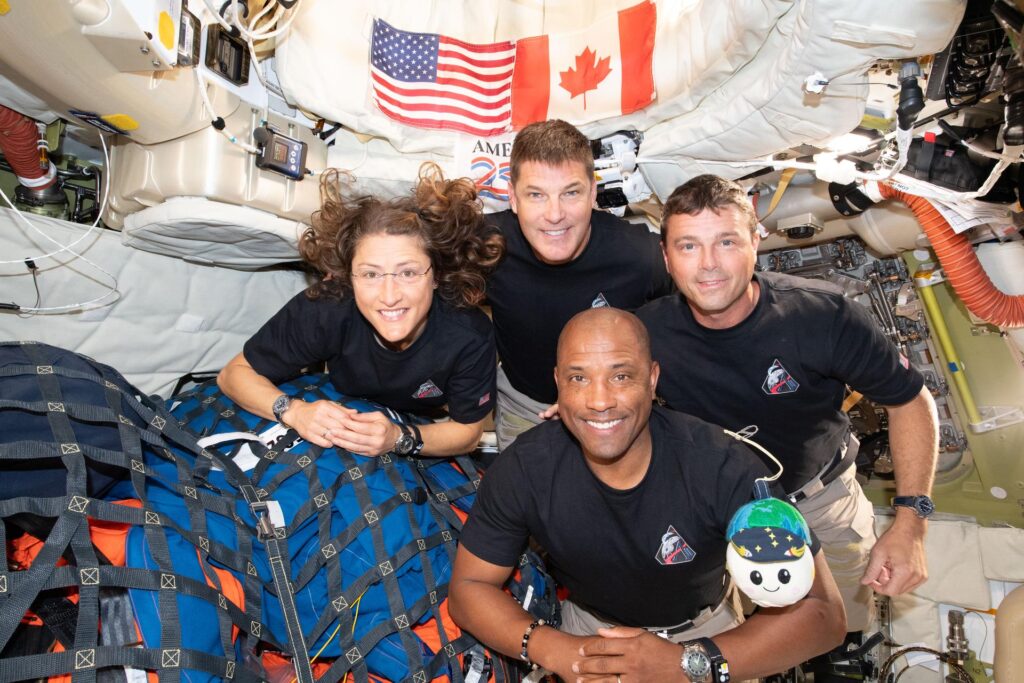
The Artemis II crew has now:
- Traveled farther than any humans since 1972
- Tested critical systems for future lunar missions
- Proven that deep-space human travel is back
👉 This mission bridges the gap between Apollo and the next era of exploration.
🌍 Why This Matters (Fun Aviation Fact!)
Here’s your aviation + space crossover insight:
👉 The same principles that keep aircraft safe—precision, communication and redundancy—are pushed to the extreme in spaceflight.
From FAA compliance to deep-space missions:
Safety systems and reliability are everything.
✈️ From Aviation to Space — Staying Connected
At US Aviation Agency, we love highlighting how aviation and space exploration are connected.
Whether you’re flying internationally or watching humans return from the Moon:
👉 Clear communication and compliance are mission-critical
🚀 Final Thoughts
Moments like this remind us how far humanity has come—and how much further we’re going.
From liftoff… to lunar orbit… to reentry…
👉 Artemis II is just the beginning.
🚀 Fly smart. Stay inspired. Watch history unfold.
— The US Aviation Agency Team
👉Ready to Stay FAA Compliant While Living Abroad?
Get your FAA-compliant U.S. address today:
NASA’s Artemis II Crew Comes Home (Official Broadcast) Around the Moon and back. Watch the Artemis II Astronauts come home – full replay coverage 3:53:40.